Designing the Perfect Custom Produce Boxes: A Progressive Guide
Constructing custom produce boxes requires a deliberate approach. Specialists must consider sustainability, practicality, and visual appeal. Choosing the suitable components is vital for preserving freshness and advancing environmentally conscious methods. Additionally, size and form can significantly impact usability and shipping efficiency. Effective graphics strengthen company identity, while detailed testing guarantees durability. Comprehending these elements will discover vital insights into creating standout packaging solutions that resonate to consumers. What follows is essential to reaching those objectives.
Picking the Ideal Materials for Custom Produce Boxes
When selecting materials for custom produce boxes, it is essential to evaluate both performance and sustainability. The choice of material greatly impacts the box's durability, weight, and capacity to protect the contents. Common materials include corrugated cardboard, which provides strength and is recyclable, making it a preferred choice for environmentally aware businesses. Compostable options, such as molded pulp or plant-based plastics, also align with environmentally friendly practices while providing adequate protection for delicate produce.
In addition, moisture resistance is indispensable for maintaining freshness, prompting some producers to explore conditioned compounds or tailored protective barriers. The visual quality of the box requires attention, as branding and visual presentation can sway consumer perception. Ultimately, the right material should maintain proportion between safeguarding products, drawing in buyers, and following ecological standards, making sure that effectiveness and environmental consciousness are stressed in the planning phase.
How to Decide on Size and Shape for Effectiveness?
When determining the form and dimensions of custom produce boxes, thorough evaluation of produce dimensions is essential for proper storage. Additionally, considerations for movement and transportation can affect the box structure, guaranteeing ease of movement. Maximizing shelf space usage further enhances functionality, allowing for efficient display and storage.
Review Produce Dimensions Carefully
Determining the proper proportions for produce boxes is important for smooth operations and productivity. Thorough assessment of produce dimensions is essential, as it makes sure that items fit tightly without extra room that might cause damage during storage or transport. Specialized boxes need to handle multiple shapes, from tender fruits to large vegetables, while maintaining robustness. Additionally, the length and depth of the boxes should support proper layering and systematic organization, making the best use of space in distribution centers. A expertly crafted container not only protects the produce but also boosts market presentation for end customers. Ultimately, meticulous planning of dimensions aids in minimizing waste and improving customer journey in the product distribution.
Think About Handling and Transport
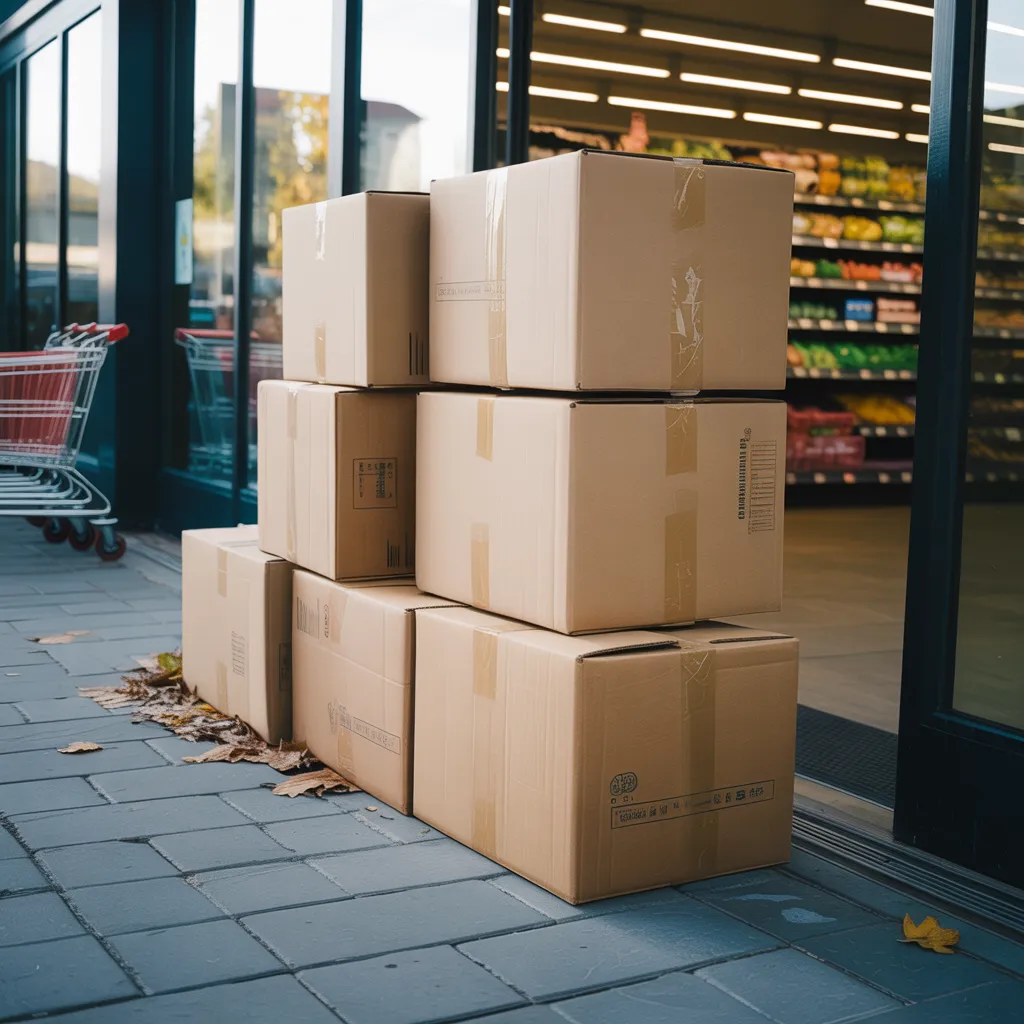
Handling and logistics considerations serve as a significant role in ascertaining the suitable size and shape of custom agricultural boxes. The proportions should accommodate the produce without surplus space, this would result in shifting and damage during transit. Compact boxes provide more straightforward handling, while larger boxes could be vital when handling bulkier goods. Additionally, ergonomic design is critical; grip areas and access ports should be strategically placed to allow for pleasant lifting combined with moving. The configuration of the box also influences nesting along with stability, ensuring that products keep secure. In conclusion, careful consideration pertaining to such considerations enhances the efficiency in shipping, minimizes goods damage, plus supports the overall quality of the produce from orchard to consumer.
Optimize Shelf Space Usage
Maximizing shelving performance depends on picking the correct size and shape of specialized agricultural containers. Design teams should evaluate the dimensions of the shelving units as well as the categories of crops being placed. Straight-edged boxes often enhance space efficiency, permitting for more convenient stacking and alignment. Alternatively, non-standard forms can boost design appeal but may cause unused space if not properly structured.
It's critical to assess the inventory turnover rate; slow-turning items might benefit from compact, readily accessible boxes. In addition, introducing modular or adjustable designs can accommodate varying product dimensions while refining shelf layout. By prioritizing aesthetic and functional qualities, retailers can establish a practical and aesthetically pleasing presentation that boosts both ease of access and promotional impact.
How to Make Images That Seize Attention?
Striking visuals can turn a straightforward custom produce box into a artistic creation that captures attention. To achieve this, designers should begin by picking a color palette that demonstrates the freshness and liveliness of the produce. Bright, attention-grabbing colors can trigger feelings of freshness and vitality, pushing consumers to take a closer look.
Bold typography is also essential; readable typefaces can effectively communicate key details while boosting visual appeal. In addition, employing superior photographs of the produce can form instant engagement, showcasing the item's caliber and compelling potential buyers.
In addition, incorporating unique patterns or illustrations can assist in distinguishing the brand in a saturated market. Consistency in visual aspects, such as logos and taglines, reinforces brand identity. Ultimately, a mixture of artistic vision and straightforwardness in visual design can greatly elevate the impact of custom produce boxes, helping them become distinctive on shelves.
Sustainable Practices for Custom Produce Box Containers
An increasing amount of businesses are implementing sustainable solutions for custom produce box packaging, acknowledging its necessity in today's environmentally conscious market. These methods often involve the use of biodegradable materials, such as recycled paper and plant-based plastics, which minimize environmental impact. Companies are also directing attention on responsible procurement, confirming that materials are obtained from responsibly managed forests or suppliers who champion environmental stewardship.
Also, many brands are choosing minimalist approaches that reduce waste while still successfully showcasing their products. This strategy not only appeals to environmentally conscious consumers but also helps in cutting production costs. Moreover, businesses are progressively establishing efficient manufacturing processes that limit energy consumption and waste generation. By adopting these sustainable practices, companies not only improve their brand image but also contribute positively to the planet, matching their operations with a sustainable future.
Assess Your Bespoke Produce Box Design
Testing the layout of personalized vegetable containers is an essential step in ensuring they meet both visual and functional requirements. This procedure usually includes evaluating elements such as strength, size, and usability. First, prototypes should be created to assess the box's physical stability, making certain it can withstand shipping and keeping without damaging the contents.
Afterwards, usability reviews can be undertaken to figure out how without difficulty the boxes can be accessed, latched, and stacked. Opinions from likely users can be invaluable in this juncture, revealing viewpoints into the box's practical application.
Additionally, the visual impact of the design should be examined through focus groups or surveys, assessing consumer reactions to brand design elements, colors, and overall presentation.
Ultimately, comprehensive evaluation enables designers to refine the box, ensuring it not only attracts customers but also effectively protects and presents the produce within, achieving the right equilibrium between form and function.
Successfully Market Your Made-to-Order Produce Boxes
Effective promotion of personalized produce boxes requires a well-planned strategy that underscores their distinctive advantages and value. Organizations must focus on pinpointing their target audience, whether they are local farms, grocery stores, or individual consumers. Taking advantage of social networking sites can amplify market visibility, presenting the boxes' appearance and functionality through engaging visuals and storytelling.
Additionally, establishing partnerships with neighborhood advocates and farming professionals can enhance standing and enlarge customer base. Featuring promotions or discounts during seasonal peaks can win over early customers and support repeat business.
In addition, stressing sustainability and eco-friendliness in discover now marketing materials can resonate with green-minded customers. Delivering comprehensive information about the materials used and the perks of customized packaging solutions can additionally differentiate the product in a highly competitive market.
In the end, a detailed marketing strategy that merges internet-based and grassroots undertakings will effectively market custom produce boxes, engaging a wide-ranging clientele and increasing sales.
Frequently Requested Questions
What Charges Accompany Custom Produce Box Design?
Costs connected to custom produce box design include raw materials, printing, workforce expenses, and shipping. Additionally, design services and minimum order quantities can impact overall expenses, leading to different prices based on particular needs and manufacturing volume.
How much time Does It Take to Produce Personalized Boxes?
Crafting customized boxes usually takes two to six weeks. Factors that shape this timeline include intricacy of design, materials sourcing, and manufacturing capacity, each of which might impact shipment timelines and lead times.
Can I Order a Limited Quantity of Custom Produce Boxes?
Yes, small quantities of custom produce boxes can generally be purchased. Many suppliers provide base order requirements, allowing businesses or individuals to acquire tailored packaging solutions without needing to commit to large amounts initially.
What Common Pitfalls Should You Avoid When Designing Custom Packaging?
Common mistakes in custom box design include failing to address functionality, ignoring brand consistency, underestimating material quality, overlooking target audience preferences, and overlooking environmental impact. Each aspect is essential for effective packaging and customer satisfaction.
What Steps Should I Take to Confirm My Boxes Are Food Safe?
To confirm boxes are food-safe, one needs to select materials certified for food contact, avoid harmful inks and adhesives, maintain cleanliness during production, and regularly test for compliance with health regulations and safety standards.